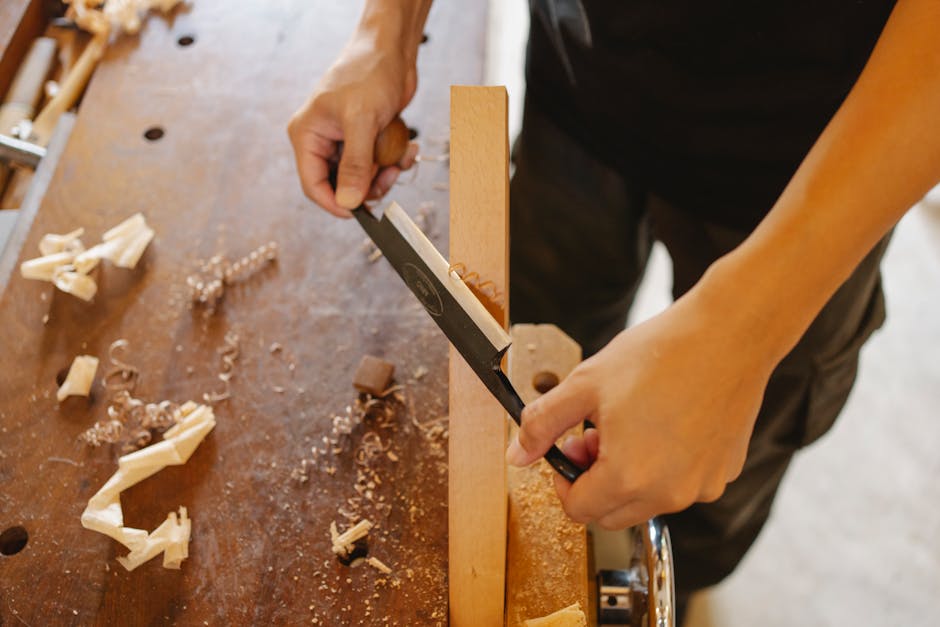
Wood craftsmanship is not just a method of creating furniture or functional objects; it's an art form steeped in tradition and skill. This ancient craft continues to thrive, blending heritage and innovation.
A Rich History
Woodworking has evolved from primitive techniques to complex artistry, leaving a rich legacy of cultural significance. Understanding its history enhances appreciation and inspires contemporary artisans.
Mastery of Tools
Crafting with wood requires proficiency in using a wide range of tools, from simple hand tools to sophisticated machinery. Each tool plays a pivotal role in shaping raw materials into masterpieces.
Diverse Techniques
From carving to joinery, the techniques employed in wood craftsmanship are both diverse and intricate. These methods ensure durability and beauty in every crafted piece, offering endless creative possibilities.
Sustainable Craft
As sustainability becomes paramount, woodworking stands out for its use of renewable resources. Artisans are increasingly adopting eco-friendly practices, ensuring minimal environmental impact.
The Creative Process
Woodworking involves both artistry and precision. The process demands creativity, problem-solving, and an intimate understanding of materials, resulting in unique, personalized creations.
Economic Value
Skilled artisans find lucrative opportunities in custom furniture and decorative items. The demand for bespoke, handcrafted pieces signifies the continued economic viability of this trade.
Conclusion
Wood craftsmanship endures as a valued art form, blending tradition with contemporary demands. Its timelessness lies in its ability to adapt, inspire, and enrich both personal and cultural landscapes.