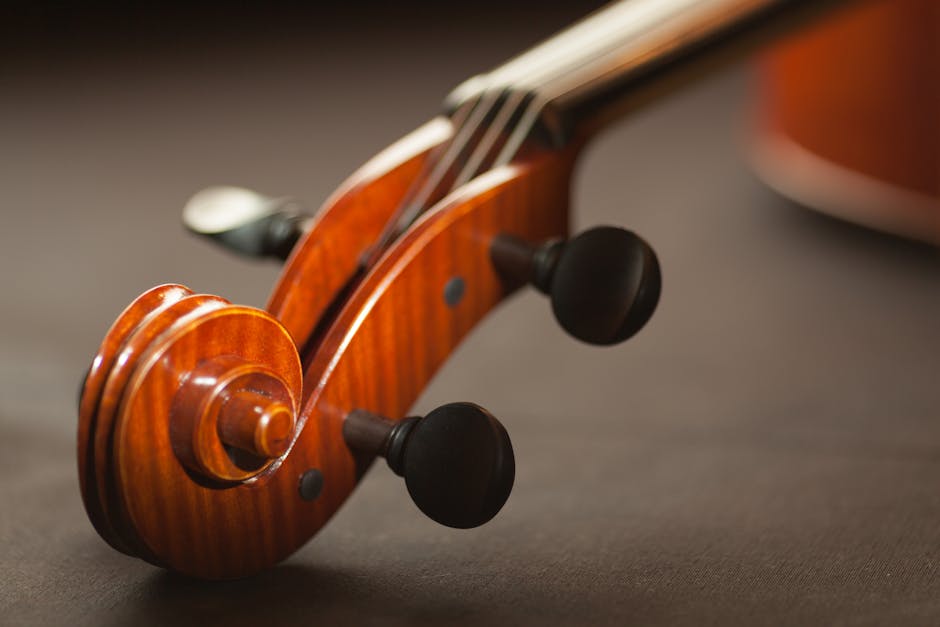
Fine wood craftsmanship combines artistry and engineering, attracting both artisans and admirers alike due to its delicate balance of beauty and functionality. This article explores the fascinating world of fine wood craftsmanship, focusing on its historical roots, essential techniques, and enduring appeal.
The Time-Honored Tradition of Woodworking
Woodworking dates back to ancient civilizations, where it played an essential role in daily life. From furniture to intricate carvings, each piece tells a story of skill and creativity, embodying the cultural heritage from which it originates.
Essential Techniques for the Modern Artisan
Mastering fine wood craftsmanship involves a deep understanding of tools and techniques. Precision in cutting, joining, and finishing transforms raw wood into finely detailed art. Contemporary artisans continue to innovate while honoring age-old practices, using both hand tools and modern machinery.
The Enduring Appeal of Wooden Creations
The allure of handcrafted wood pieces lies in their uniqueness and the personal touch of the craftsman. Each item is a testament to patience, skill, and expression, making handcrafted woodwork a cherished piece of art in contemporary homes.
Conclusion: Celebrating Craftsmanship
Fine wood craftsmanship remains a dynamic field, beautifully melding tradition and innovation. As artists imbue their pieces with passion and expertise, they craft not only functional items but also timeless works of art, ensuring this tradition thrives for generations.