Wood processing factories play a crucial role in the lumber industry, converting raw timber into usable materials for various applications. These facilities are the backbone of construction, furniture-making, and more. But how do they efficiently transform logs into valuable products?
Understanding the Wood Processing Workflow
Wood processing starts with the careful selection and transportation of logs to the factory site. Once there, logs undergo debarking to remove their outer layer, paving the way for smoother processing. This initial stage is vital for maintaining the quality and consistency of the final products.
The Art of Sawmilling
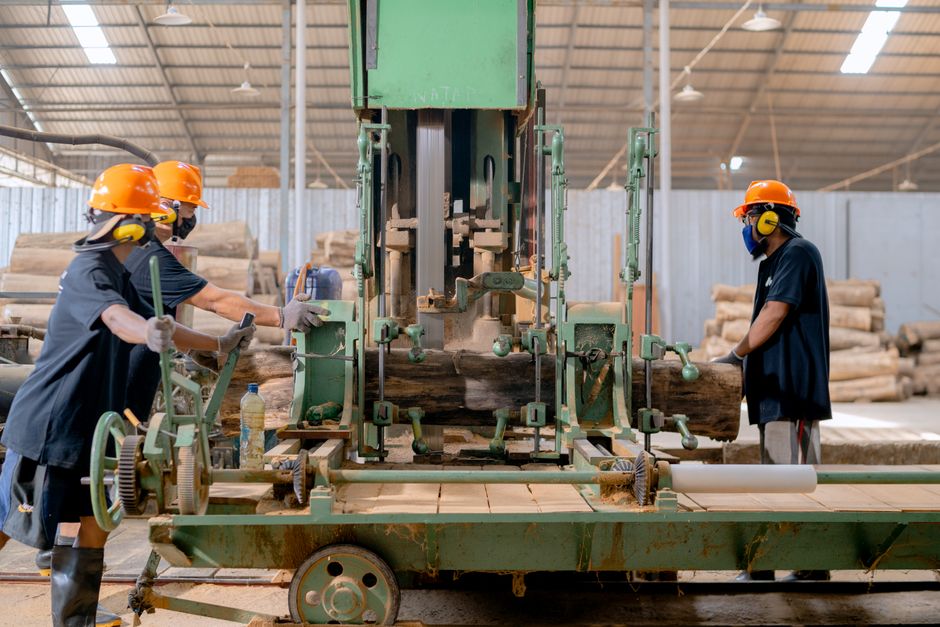
At the heart of every wood processing factory is the sawmill, where logs are cut into specific sizes and shapes. Using advanced machinery, skilled workers ensure precision in cutting, optimizing each log's yield and minimizing waste—a practice that underscores sustainability in the industry.
Drying and Finishing: Crafting Durable Lumber
Post-sawmilling, the lumber is dried, an essential step to prevent warping and increase product durability. Once dried, the wood may undergo further milling or finishing, enhancing its appearance and suitability for end-use. This meticulous process ensures the lumber meets industry standards before it reaches consumers.
Conclusion: The Impact of Wood Processing Factories
Wood processing factories are not just about sawing logs; they're a pivotal part of an eco-friendly cycle. By efficiently turning raw timber into a versatile resource, these factories support sustainable forestry and meet global demand for wood products. Understanding their operations highlights the depth and complexity of this indispensable industry.