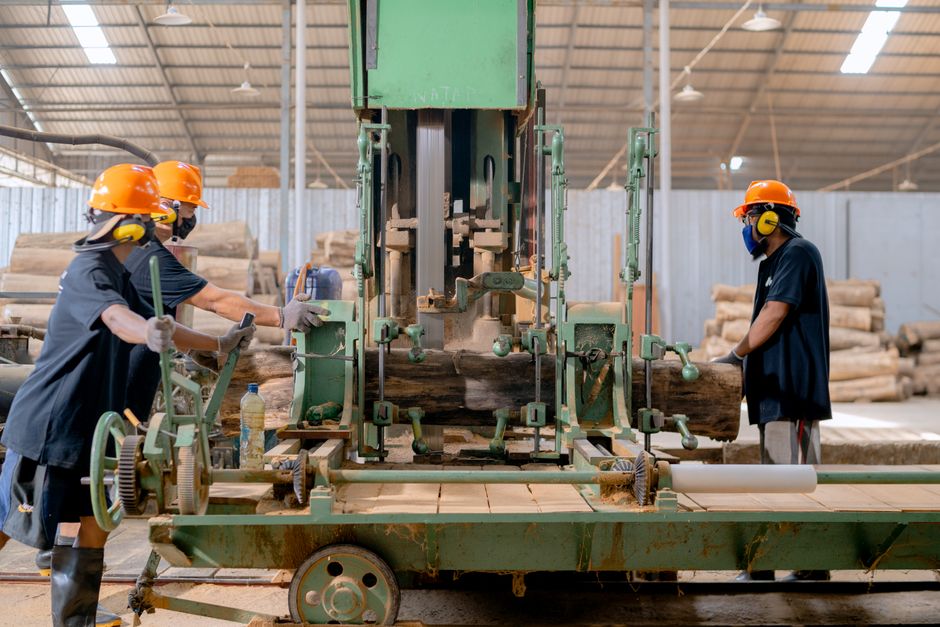
A wood processing factory is the backbone of the woodworking industry, transforming raw timber into valuable products. This article delves into the intricate processes that occur within these factories and why they are essential.
From Logs to Lumber: The Initial Stages
Wood processing begins with the selection and transportation of logs. These logs are then debarked and cut into lengths suitable for further processing. This early stage is critical as it determines the quality of the final product.
Refining and Craftsmanship: The Heart of the Factory
Once the logs are prepared, they enter the sawmill where they are sliced into various shapes and sizes. Precision and skilled craftsmanship come into play to ensure minimal waste and optimal quality.
Final Touches: Preparing for the Market
The final stages involve drying and finishing the wood, making it ready for commercial use. This may include treatment or coating to enhance durability and aesthetics.
Wood processing factories play a pivotal role in turning raw materials into versatile and useful products that fuel countless industries. Understanding this complex process underscores the importance of these facilities in the global supply chain.