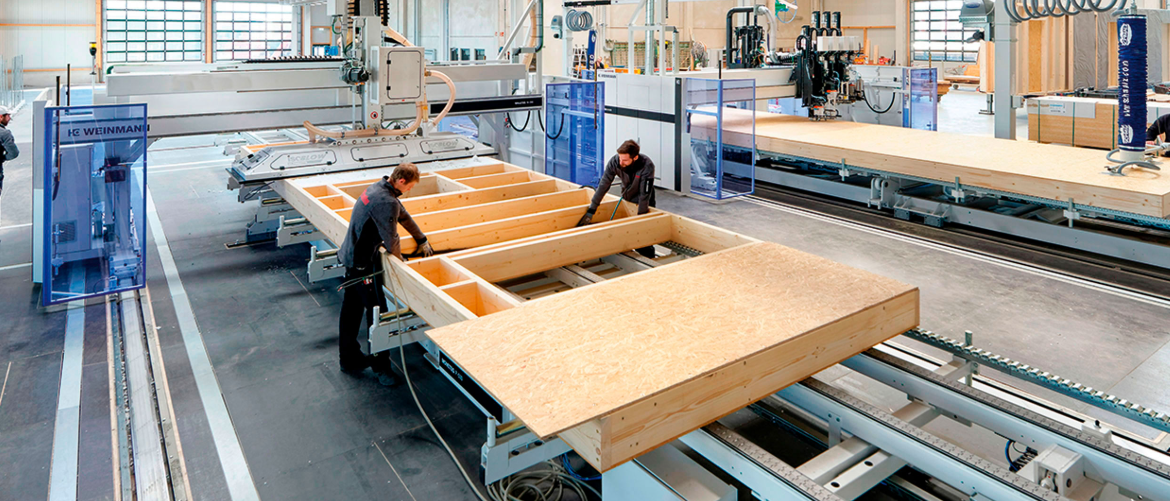
Wood manufacturing rewards precision and punishes shortcuts. While tools and machines evolve the core principles of woodworking remain unchanged. Manufacturers who ignore these fundamentals face quality issues waste and inconsistent output.
Powerful woodworking principles create efficiency reliability and repeatable results. These principles guide material handling processing and finishing decisions across all production scales.
Here are seven essential principles that every wood manufacturer should master.
Principle One Respect Material Behavior
Wood is alive in the sense that it reacts to environment. Temperature and humidity affect shape and strength.
Manufacturers must account for expansion contraction and grain movement. Designs that ignore this behavior fail over time.
Respecting wood behavior prevents warping cracking and joint stress.
Principle Two Precision Starts Before Cutting
Accuracy begins with measurement and layout not machinery. Poor planning creates compounding errors.
Clear specifications proper marking and verified dimensions reduce rework and waste.
Precision planning saves more time than fast cutting ever will.
Principle Three Control Moisture Content
Moisture content affects stability machinability and finish quality. Wood processed at incorrect moisture levels creates unpredictable results.
Manufacturers must ensure consistent drying and storage conditions.
Moisture control is a foundation of quality production.
Principle Four Tool Sharpness Defines Quality
Dull tools tear fibers create burn marks and weaken joints. Sharp tools produce clean edges and accurate dimensions.
Tool maintenance directly impacts finish quality and production speed.
Sharp tools are productivity tools.
Principle Five Joint Integrity Matters More Than Speed
Strong joints determine product lifespan. Rushing assembly compromises alignment and bonding strength.
Well designed joints distribute stress evenly and improve durability.
Time invested in joint quality reduces long term failure.
Principle Six Finishing Is Structural Protection
Finishing is not cosmetic. It seals wood against moisture UV exposure and abrasion.
Proper finishing enhances durability and appearance simultaneously.
Skipping finish steps shortens product life dramatically.
Principle Seven Consistency Builds Trust
Consistent processes create predictable results. Customers trust manufacturers who deliver uniform quality.
Standardized workflows documentation and inspection protect reputation.
Consistency transforms skill into scalable production.
Why These Principles Matter
Manufacturing success depends on repeatability. These principles reduce variability and protect quality across batches.
They also support sustainability by minimizing waste and extending product life.
Strong principles outperform advanced machines without discipline.
Applying Principles at Any Scale
These principles apply to small workshops and large factories alike. Scale changes tools not fundamentals.
Manufacturers who master basics adapt faster to growth and technology.
Principles provide stability in changing markets.
Final Reflection
Wood manufacturing is a balance of science and craft. Powerful principles anchor that balance.
Manufacturers who apply these fundamentals consistently produce durable reliable and respected products. Mastery begins with principle not equipment.